

Challenge
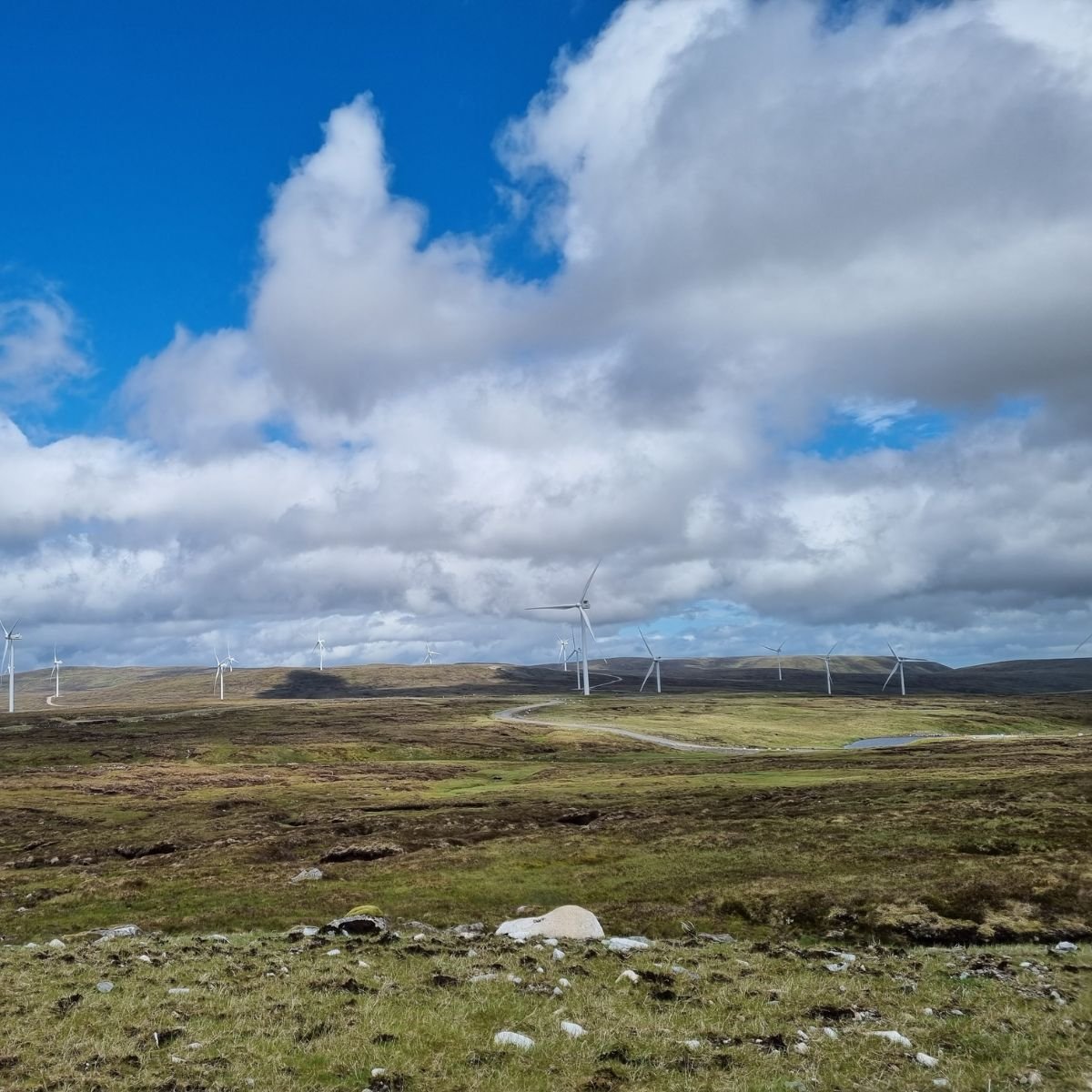
Iterative design and assessment of a proposed wind farm on a remote plateau in the Monadhliath Mountains that would take advantage of infrastructure already in place for the existing Glendoe Hydroelectric scheme.

Strategy
Early input into the design and layout of the project to minimise environmental effects where possible, prior to co-ordinating the Environmental Impact Assessment process and undertaking the Landscape and Visual Impact Assessment.

Results
Scottish Ministers granted consent for the development in 2014. Stronelairg Wind Farm is now fully operational, featuring 66 turbines and a total generation capacity of 228 MW.
Project Context
Stronelairg Wind Farm, located on a remote plateau in the Monadhliath Mountains near Fort Augustus, Scotland, comprises a 66-turbine (228 MW) wind farm that has been operating since 2018 and making a significant contribution to renewable energy generation in Scotland. Its co-location with the Glendoe Hydroelectric Scheme offered unique opportunities to maximise the renewable capacity of this site whilst sharing core infrastructure.
Our Brief
SSE Renewables commissioned ASH to coordinate the Environmental Impact Assessment for Stronelairg Wind Farm. Our work included advising on the appropriate siting and design of the wind farm, a Landscape and Visual Impact Assessment and the coordination and production of the EIA Report, which was submitted alongside the Section 36 application to the Scottish Government.
Our Approach
Our EIA coordination for Stronelairg Wind Farm was multi-faceted and encompassed a range of tasks:
Initiating the EIA Process and Defining Scope
The Environmental Impact Assessment (EIA) began with a scoping exercise to clearly define the scope of the EIA Report and likely significant effects. This involved:
Scoping Report
We prepared and submitted a comprehensive scoping report in March 2011. This document outlined the proposed development, identified potential environmental considerations, and formally initiated the EIA process with relevant authorities, setting the groundwork for subsequent detailed assessments.

Consultations
Following the scoping phase, we engaged in subsequent consultations. These were critical discussions with both statutory bodies (such as environmental regulators and heritage agencies) and non-statutory bodies (including local community groups and NGOs). This collaborative dialogue was instrumental in refining the scope of the EIA and collectively defining the key environmental topics that required investigation.
Comprehensive Assessment and Design Iteration
This phase involved the combined expertise of ASH's landscape architects and environmental consultants to inform design iterations and assessment:
Informing Design & Layout
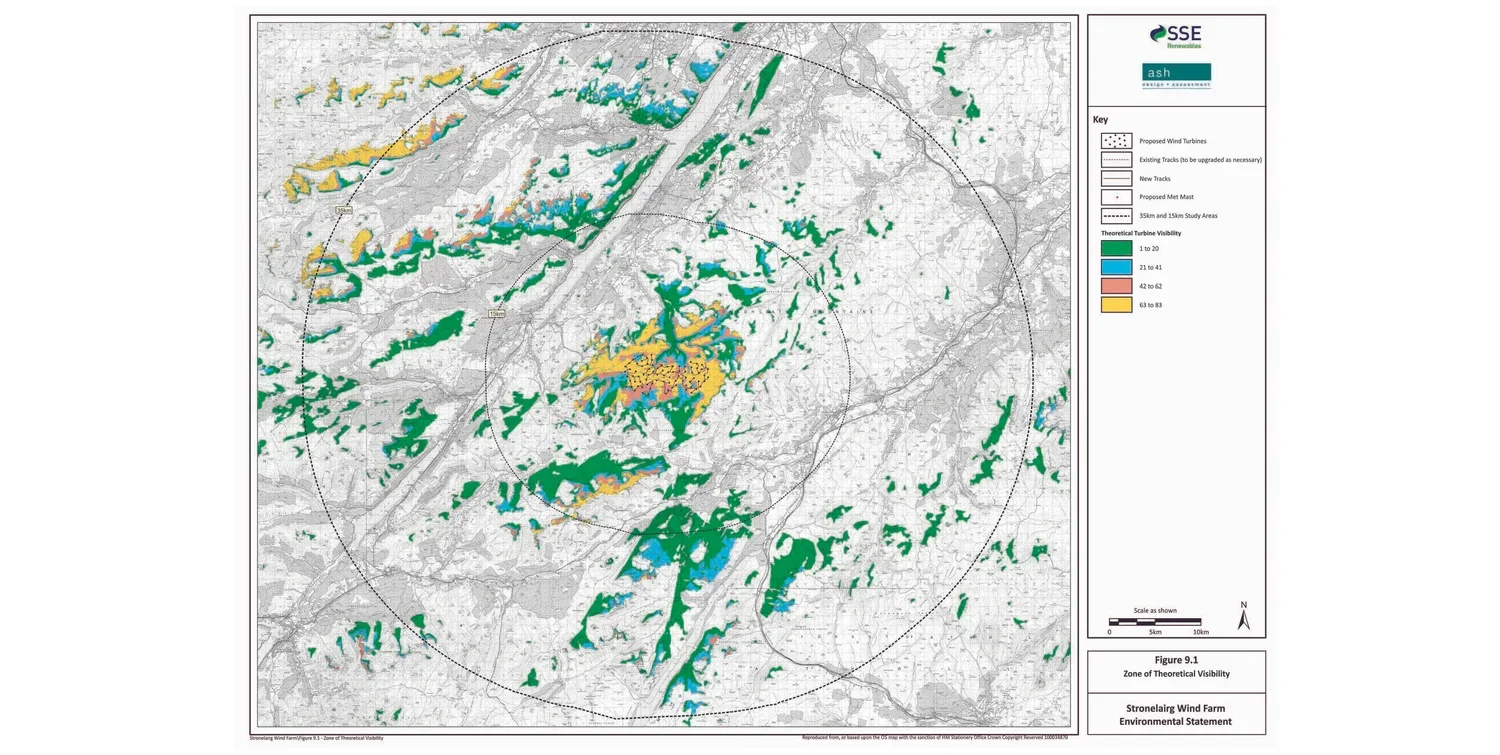
The initial 83-turbine design was refined to a 67-turbine scheme, shaped by the findings of our initial surveys, constraints workshops and public consultation. Through continuous feedback loops and detailed analysis, focused on reducing potential landscape and visual impacts, the wind farm's layout was optimised in close collaboration with other environmental specialists in the EIA team and in consultation with key stakeholders.
Identifying Critical Environmental Topics:
Based on the initial scoping and consultations, we were able to focus on the specific environmental topics that required in-depth survey and assessment. This approach ensured that all potential significant impacts were thoroughly considered.
Conducting Key Assessments:
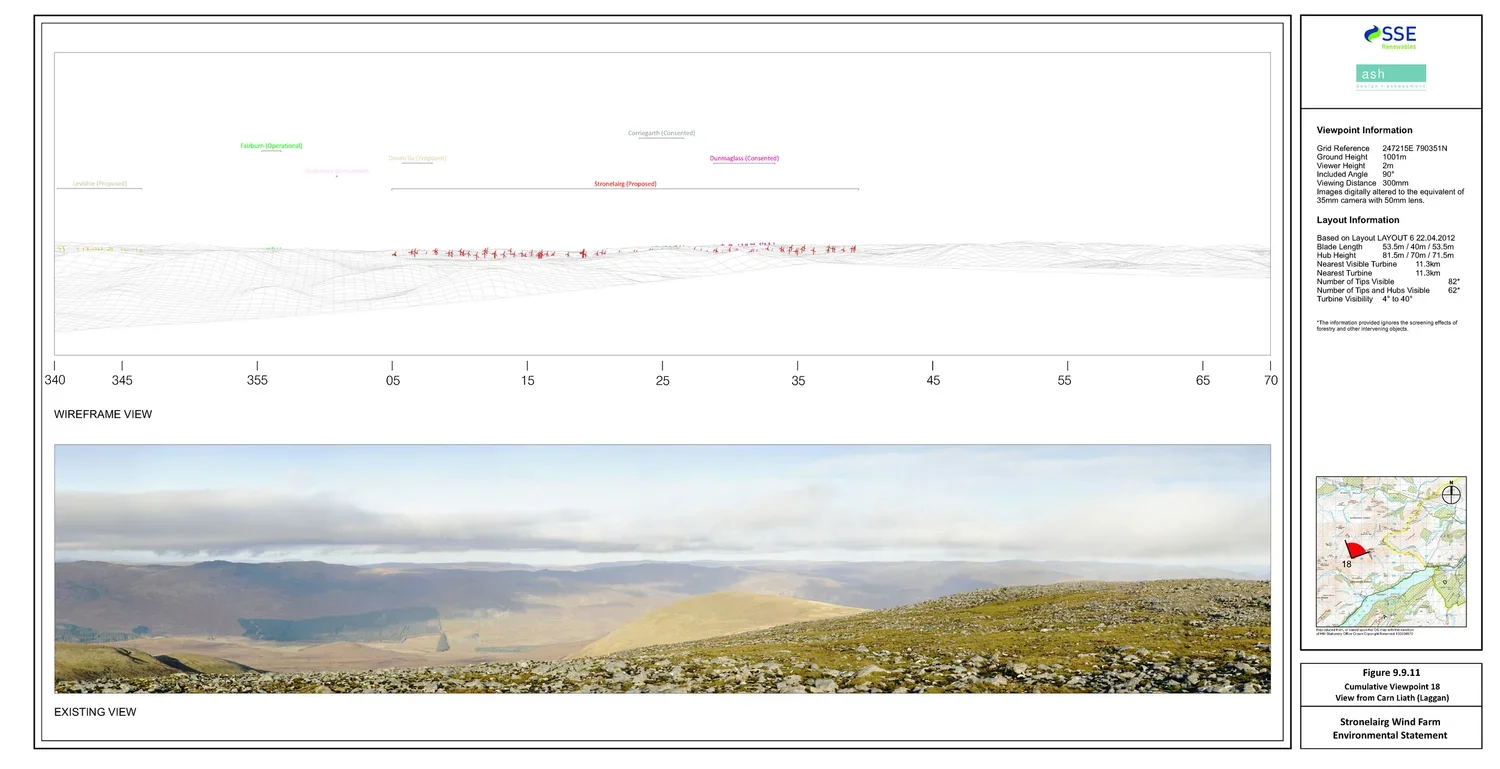
ASH's in-house specialists carried out the landscape and visual impact assessment. This involved detailed fieldwork, analysis of landscape and visual receptors, and the production of photomontages to illustrate the potential visual impact of the development within the Monadhliath Mountains and the surrounding area.
Collaborative Approach and Holistic Evaluation
Beyond our direct assessments, a cornerstone of our EIA expertise is the coordination and management of a wide array of specialist consultants. Key topic areas that formed part of the wider EIA team included:
Ecology:
Considering impacts on sensitive upland habitats such as blanket bog, montane bog, wet and dry heaths, and protected species, including otter and water vole.
Ornithology:
Detailed bird surveys helped to determine local bird populations and sensitivities in designing and assessing the impact of the wind farm.
Peat and Soils:
Peat depth surveys were undertaken to help inform site design, minimising impacts on areas of deep peat where possible.
Traffic:
Traffic surveys and assessments helped assess the impact of construction traffic on local communities.
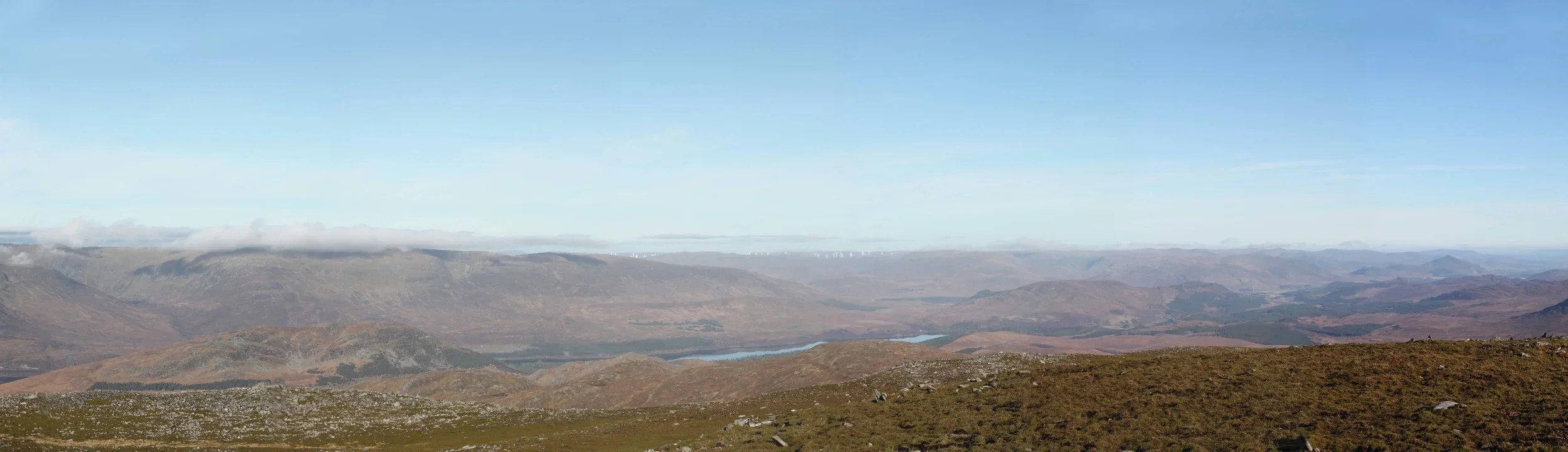
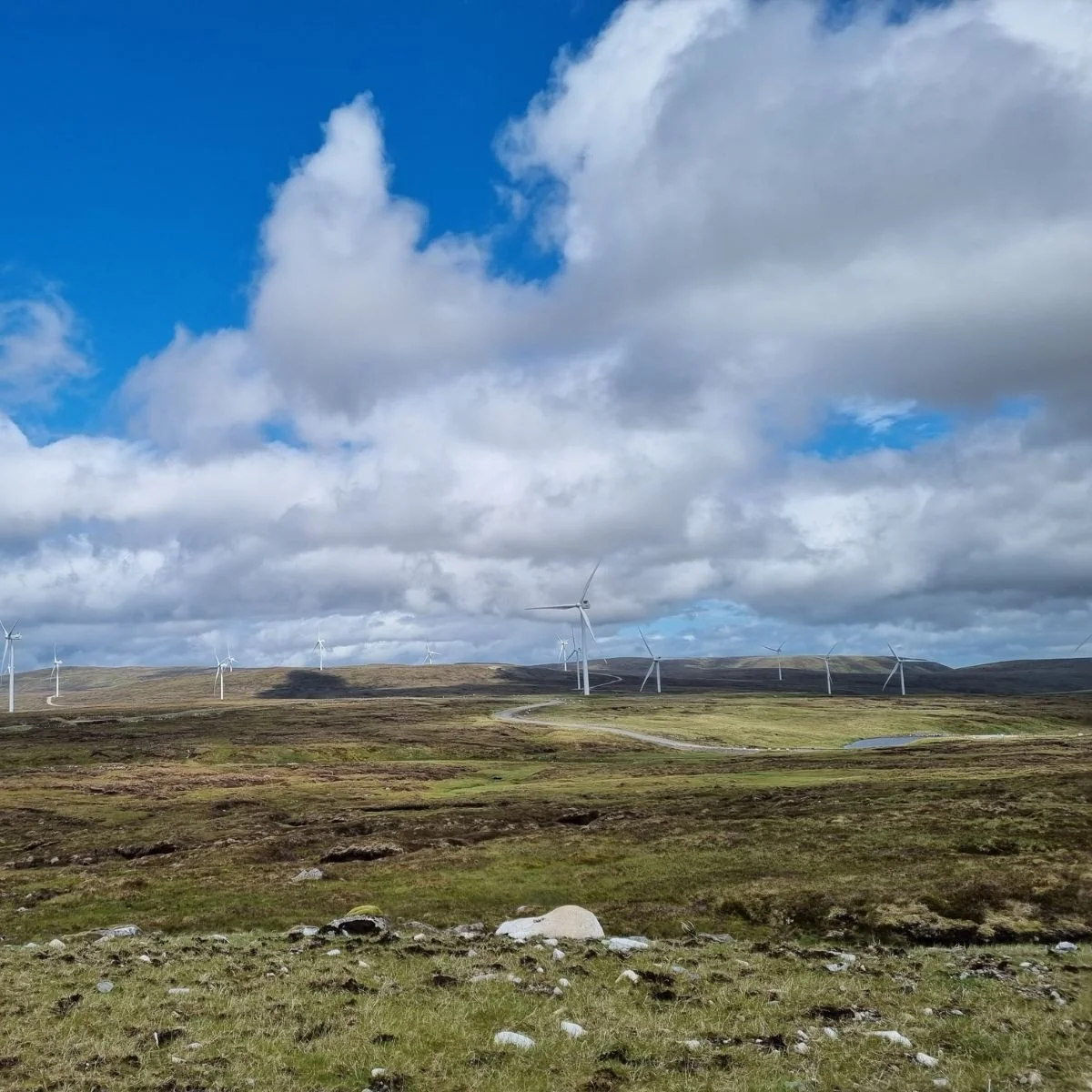
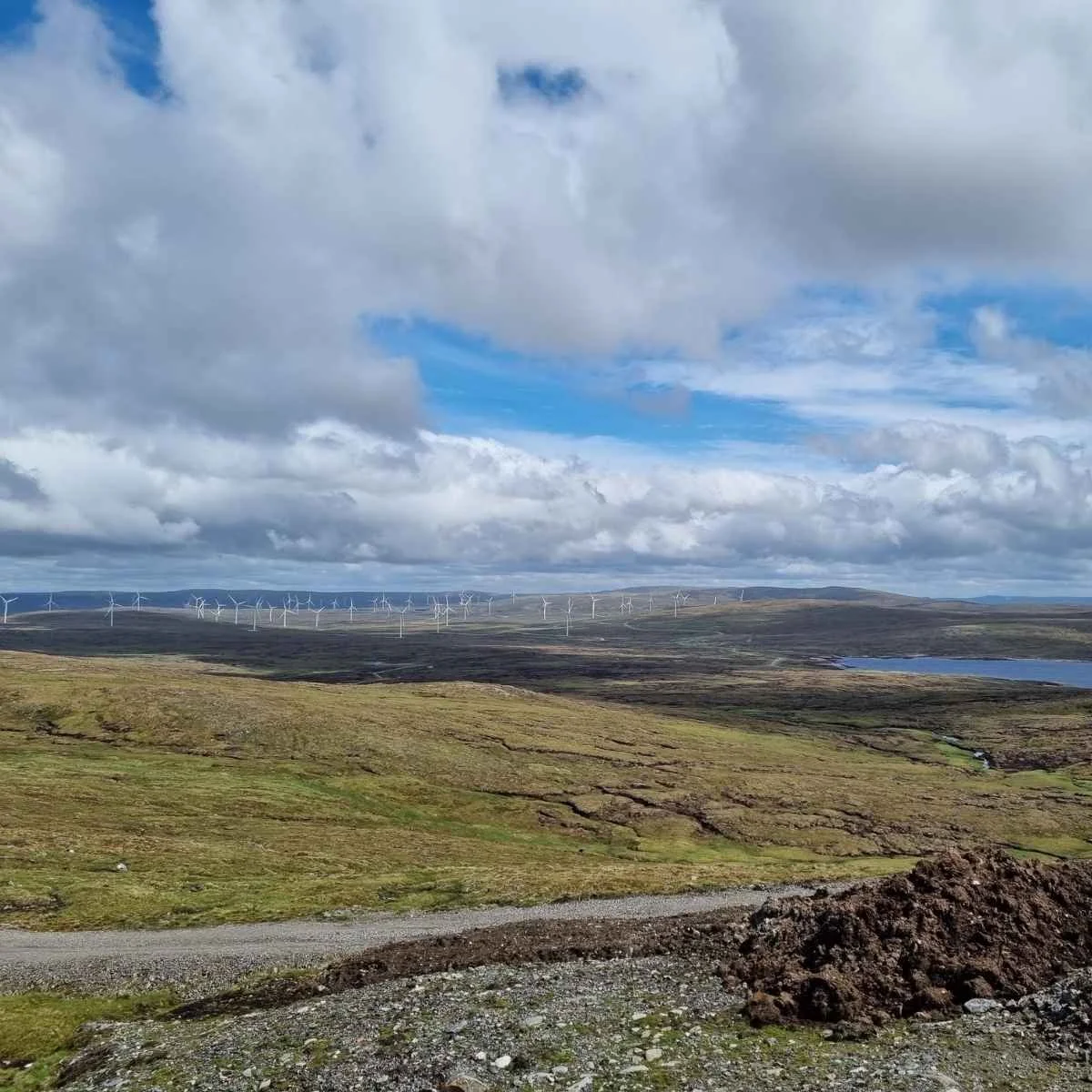
The EIA Report and Section 36 application were submitted to Scottish Ministers in June 2012. In April 2013, The Highland Council voted in favour of raising no objections to the development and the Scottish Ministers granted consent for the scheme in June 2014. The Stronelairg Wind Farm is now fully operational.
The Outcome
At ASH, we're always happy to answer your questions and discuss how our tailored services can support the successful and sustainable development of your project.
If you'd like to find out more, please take a look at our other projects or get in touch.